Handclasp Nail Clippers

Uncategorized

Uncategorized

What Customers Love About HANDCLASP NailClippers

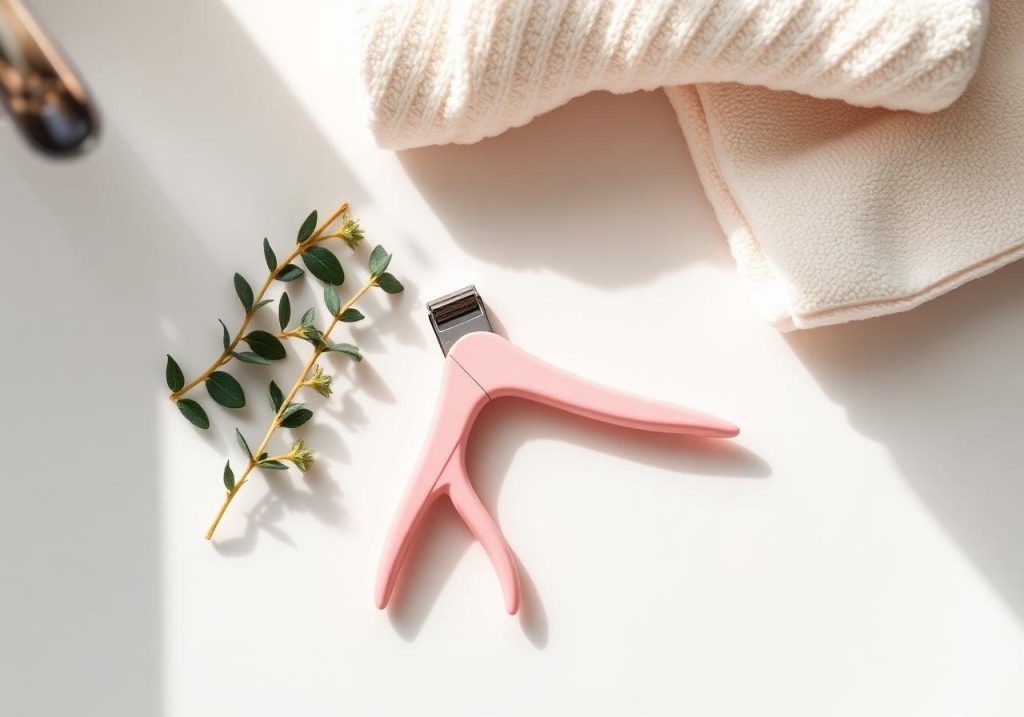
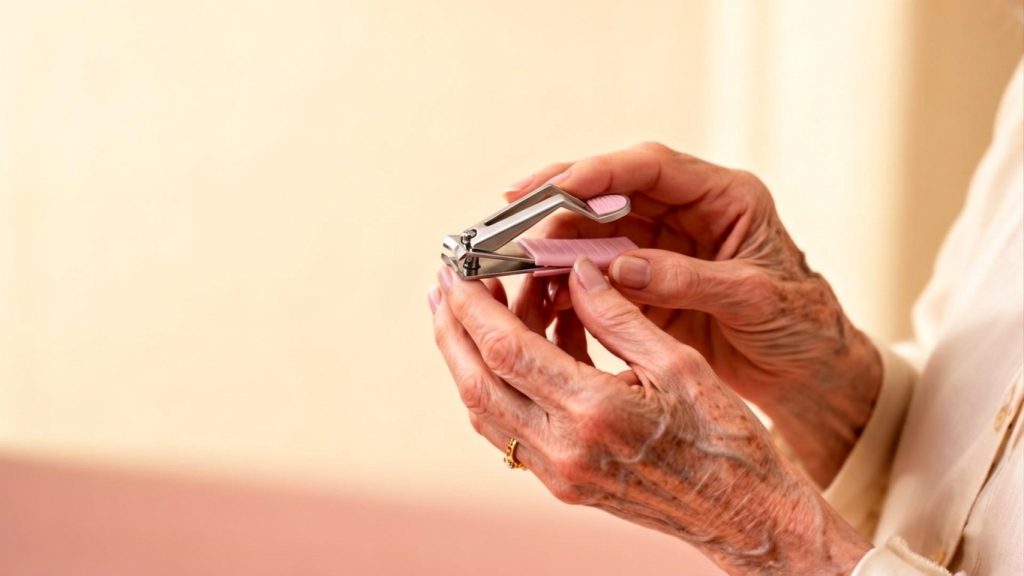
When we began designing the HANDCLASP Ergonomic Nail Clippers, we wanted to focus on something very simple: comfort. The inspiration was simple. For many people, nail care is not just another routine. For individuals — especially seniors — living with reduced hand strength, stiffness, arthritis, or hand tremors, traditional nail clippers can sometimes feel awkward, frustrating, and uncomfortable to use.One of the most rewarding parts of this journey has been reading customer feedback and seeing how often people mention the same experience: the clipper simply feels easier to use. Better Grip and Less Hand Strain Many reviewers praise the ergonomic grip and arched lever design, saying it feels more natural and comfortable compared to standard flat nail clippers. Several customers with arthritis or limited hand strength mention that the curved lever helps provide better leverage with less pressure on the fingers. More Control and Clean Cutting Customers also often mention the soft-touch handle and anti-slip thumb plate, saying the clipper feels stable and secure during use. Many reviewers describe the stainless steel blades as smooth and clean-cutting, especially on thicker nails, without snagging or splitting. Small Details That Make Everyday Care Easier The feedback that means the most to us is when customers say a routine task feels less frustrating or more comfortable again. Sometimes small design details can quietly improve everyday routines in meaningful ways.If you would like to explore the collection further, read customer experiences, or view the available color options, you can visit the official HANDCLASP Amazon Store.

What Customers Love About HANDCLASP NailClippers Read Post »

Uncategorized

Small wins, big independence: living well with limited mobility

Maintaining a sense of independence is one of the most vital aspects of our overall well-being. However, when age, arthritis, or chronic conditions begin to limit our physical mobility and hand strength, everyday tasks that we once did without thinking can suddenly feel like monumental challenges. From buttoning a shirt to turning a doorknob, a loss of dexterity can be frustrating. But living well with limited mobility isn’t about focusing on the obstacles—it is about celebrating the “small wins” and adapting our environment to keep us moving forward confidently. Here is how focusing on micro-activities and small adjustments can significantly improve daily independence. 1. Shift Your Mindset to “Micro-Wins” When dealing with a physical limitation, looking at the big picture can sometimes feel overwhelming. Instead, break your day down into small, achievable victories. Did you manage your morning stretching routine? That is a win. Did you try a new adaptive tool today? That is a win. Acknowledging these moments triggers a positive feedback loop in the brain, reducing frustration and building the emotional resilience needed to tackle daily tasks. 2. Streamline Your Living Space Independence thrives in an environment designed for success. Making simple, low-cost modifications to your home can eliminate daily friction points: Lever Handles: Replace traditional round doorknobs with lever handles, which can be pushed down easily with an elbow or forearm if hand strength is low. Utensil Grips: Use foam tubing or wide-handled silverware to make holding forks and spoons much more comfortable for arthritic fingers. Clear Paths: Remove loose rugs and clutter from walkways to ensure navigating from room to room requires less physical strain. 3. Don’t Overlook Small Grooming Routines Personal grooming is often where we feel a loss of independence the most heavily. Simple tasks like clipping your nails can become incredibly difficult—and even painful—when standard clippers require a strong, pinching grip that arthritic hands simply cannot comfortably provide. Neglecting these small routines can impact self-esteem, but struggling through them with the wrong tools shouldn’t be the baseline. This is exactly why ergonomic design matters. Reclaiming the Small Details of Daily Care You shouldn’t have to rely on someone else for basic personal grooming. If you or a loved one find standard tools painful to use, the solution isn’t to give up—it’s to change the tool. Our team designed the HANDCLASP Ergonomic Nail Clipper specifically to restore independence to daily routines. Featuring a unique, patent-pending design, a comfortable rubber grip, and a specialized lever system, it allows individuals with reduced hand strength or arthritis to easily maintain their nail care without pain or strain. Ready to bring ease back to your routine? Discover how HANDCLASP makes nail care effortless  What are your favorite daily tips? We love hearing from our community! What small adjustments have you made in your home to make living with limited mobility easier? Let us know in the comments section below!

Small wins, big independence: living well with limited mobility Read Post »

Uncategorized

A gentle guide to nail care after 60

As the decades pass, our bodies undergo dozens of subtle shifts. We modify our skincare routines, change up our diets, and adjust our exercise habits. Yet, one area that is frequently overlooked—until it becomes uncomfortable—is our nail care. After the age of 60, our nails change significantly. Due to slower circulation, hormonal adjustments, and natural shifts in the body’s moisture retention, nails often become much thicker, more brittle, and prone to ridges. Taking care of your hands and feet at this stage of life requires a shift in approach. It is no longer just about aesthetics; it is about comfort, safety, and maintaining your health. Here is a gentle, practical guide to keeping your nails healthy and pain-free after 60. 1. Hydration is Your Best Friend Just as aging skin loses moisture, so do your nails. Brittle nails chip and split easily, creating jagged edges that can catch on clothing and tear painfully into the nail bed. The Routine: Apply a rich hand cream, vitamin E oil, or pure petroleum jelly directly to your nails and cuticles every single night before bed. Massage it in gently to stimulate blood flow to the nail matrix. 2. File and Trim Regularly (and Gently) Because aging nails grow more slowly, they tend to thicken. Waiting too long between trims makes the process much harder and can cause the nail to crack under pressure. The Routine: File your nails in one direction only—sawing back and forth splits the delicate layers of an older nail. Aim to trim your nails every one to two weeks, keeping them short enough to prevent catching but long enough to protect the fingertips. 3. Never Skip the Soak Trying to clip dry, thick toenails or fingernails is a recipe for painful splitting. The Routine: Always handle your nail care immediately following a warm bath or shower. The water softens the keratin layers, making the nails exponentially easier to cut cleanly without requiring excessive force. The Right Tool for Changing Hands Perhaps the biggest hurdle to safe nail care after 60 isn’t the nails themselves—it’s the tools we use. Standard drug-store clippers are tiny, slick, and require a level of finger strength and visual precision that can be frustrating to manage if you experience stiffness or hand fatigue. Using a tool that slips or requires painful pinching isn’t just frustrating; it’s a safety hazard that can lead to accidental cuts. That is why transitioning to a dedicated, age-friendly tool like the HANDCLASP Ergonomic Nail Clipper is a game-changer. Designed with a wide, soft-grip body and an advanced lever mechanism, HANDCLASP allows you to trim even thick, stubborn nails using the gentle pressure of your palm rather than straining individual finger joints. It brings safety, precision, and ease back to a vital part of your self-care routine. Keep your grooming routine safe and gentle. Discover the HANDCLASP difference today  We’d love to hear from you! What changes have you noticed in your hands or nails over the years? Do you have a question about adaptive grooming? Leave a comment below and join our supportive community discussion!

A gentle guide to nail care after 60 Read Post »

Scroll to Top